Why are there differences in country vaccination schedules. Babies need four doses at 2 months 4 months 6 months and between 12 and 15 months.
 Pin On Nursing
.

Vaccine schedule for babies. These children should still get the recommended routine doses at 1215 months and 46 years of age but can get the second dose as early as 4 weeks after the first if they will still be traveling and at risk. 2 doses of the MMR vaccine as there are outbreaks of mumps and measles at universities. Child vaccine schedule table 1.
The vaccine schedule is designed to build your babys immunity at an early age in order to reduce his or her risk of serious disease or death. Two doses of HepA vaccine are needed for lasting protection. The first dose of HepA vaccine should be given between 12 months and 23 months of age.
The types of vaccines included in the programme. Pneumococcal vaccine protects against Streptococcus pneumoniae which causes meningitis pneumonia and some. These schedules show the recommended ages for routine administration of currently licensed vaccines for children and adolescents.
The vaccine is very effective in preventing diarrhea and vomiting due to rotavirus the main cause of diarrhea that involves hospitalization but does not prevent diarrhea or vomiting due to other causes. You can still ask your GP for this vaccine until your 25th birthday. For children at-risk due to underlying medical conditions refer to Table 4 for additional recommendations for immunization.
The first dose is recommended for infants between 12 and 15 months. However it can be given as soon as 28 days after the first dose. Infants get two or three doses of rotavirus vaccine but after babies reach 8 months old these vaccines carry an increased risk of a condition called intussusception when one segment of the.
Hepatitis B HepB 1 st dose 2 nd dose 3 rd dose Rotavirus RV RV1 2-dose series. For babies NOT receiving the pentavalent vaccine the first dose of the monovalent hepatitis B vaccine must be given within 24 hours of birth followed by the remaining 2-3 doses of the hepatitis B vaccine according to schedule. Doses may not be required depending upon age of child or vaccine used or both refer to the relevant vaccine-specific chapter in Part 4 and.
There may be differences in. Recommended Immunization Schedule Children less than 7 years of age NOT Previously Immunized as Infants. Every day babies are exposed to germs from the air they breathe to the things they touch and put in their mouths.
However vaccination schedules are not exactly the same from country to country. All children and adolescents over 24 months of age who have not been vaccinated should also receive 2 doses of HepA vaccine. And they can get the rotavirus vaccine in two or three doses depending on the specific.
School entry and adolescent vaccine age groups are shaded in gray. If you have not previously had 2 doses of MMR you can still ask your GP for the vaccine. The vaccines currently provided for babies and children at Tipat Halav family care centers as part of the routine vaccination program are.
The ages at which vaccines and boosters are. To determine minimum intervals between doses see the catch-up schedule Table 2. Most countries in the developed world tend to recommend the same kinds of vaccines for babies children and adults.
Vaccine Birth 1 mo 2 mos 4 mos 6 mos 9 mos 12 mos 15 mos. For instance babies can get the third dose of hepatitis B vaccine any time between 6 and 18 months of age. 3 rd dose 4 th dose Haemophilus influenzae type b Hib 1 st dose.
When the schedule was published again in 1994 the hepatitis B vaccine had been added. Here are the vaccines your child needs and the ecommended schedule showing when they should get them. The hepatitis B vaccine was not new as it had been licensed in 1981 and recommended for high-risk groups such as infants whose mothers were hepatitis B surface antigen positive healthcare workers intravenous drug users homosexual men and people with.
The second dose should be given 6 months after the first dose. Diphtheria tetanus acellular pertussis DTaP. All children and adolescents over 24 months of age who have not been vaccinated should also receive 2 doses of HepA vaccine.
The MMR vaccine can be given to babies as young as 6 months old if they will be traveling internationally. The first dose of HepA vaccine should be given between 12 months and 23 months of age. The second dose is usually given between ages 4 and 6 years.
Birth 6 Years. The MenACWY vaccine which protects against serious infections like meningitis. Vaccine against Diphtheria-Tetanus-Whooping cough Haemophilus influenzae type B Polio DTaP-Hib-IPV Hebrew.
It is worthwhile for all babies to receive the vaccine including those babies who have suffered infection caused by rotavirus. See which vaccines your child needs from birth through age 6 in this parent-friendly immunization schedule. 7 18 Years.
For babies receiving the pentavalent vaccine the first monovalent dose of the hepatitis B vaccine is given within 24 hours of birth and the second and third doses of the HBV vaccine will be included in dose 1 and dose 2 of the pentavalent vaccine. The second dose should be given 6 months after the first dose. Vaccine Birth 1 mo 2 mos 4 mos 6 mos 9 mos 12 mos 15 mos 18 mos 1923 mos 23 yrs 46 yrs 710 yrs 1112 yrs 1315 yrs 16 yrs 1718 yrs.
Routine vaccines provided for babies and children. Following the recommended vaccine schedule provides your child with the best protection from potentially serious diseases. RV5 3-dose series 1 st dose.
All babies should get the first shot of hepatitis B vaccine within first 12 hours after birth. Vaccines for adults increasing opportunities for health.
 Monthly Shots Monthly Baby Photos Baby Photos Baby Month By Month
DTaP Hib hepatitis B polio and pneumococcal conjugate vaccines Infants and children usually need.

What vaccines do babies get. The schedule of vaccines listed below applies from 1 October 2020. Learn more about vaccines when your child is sick PDF - 606KB. Why does my baby need to get vaccines on time.
BCG tuberculosis TB vaccine at birth. This prompts your childs immune system to develop weapons called antibodies. About half of babies who get whooping cough end up in the hospital and the disease can be life threatening.
The National Immunisation Schedule. The National Immunisation Schedule is the series of vaccines that are offered free to babies children adolescents and adults. Children born in areas of the country where there are high numbers of TB cases.
Immunizations are designed to protect against serious illnesses ranging from polio and tetanus to measles mumps and flu. Children whose parents or grandparents were born in a country with many cases of TB. BCG tuberculosis TB vaccine at birth.
Hib vaccine protects against Haemophilus influenzae type b Hib a type of bacteria that causes an infection in the brain and spinal cord that can damage a babys brain and hearing. Most adults think only of the tetanus booster recommended every 10 years and even then many adults only get the vaccine if they injure. Vaccinations are offered free of charge in the UK just book your appointments with your GP.
At 4 months your baby should receive vaccines to help protect against the following diseases. Second in series of. DTaP Vaccine protects your baby from three life-threatening toxin-releasing bacterial diseases.
This mercury-based preservative has previously been linked to. Diphtheria tetanus and acellular pertussis DTaP. With COVID-19 still a threat its more important than ever not to delay your childs vaccines.
You can take a look at the recommended vaccine schedule put out each year by the CDC or ask your pediatrician who will give your baby the needed vaccines at the appropriate well-baby checkups. 5 doses of diphtheria tetanus and acellular pertussis vaccine DTaP. Historically vaccines were deemed to be only for children However vaccines for adults are becoming increasingly common and necessary.
Vaccines work by imitating infection of a certain disease but not its symptoms in your childs body. Hepatitis B Vaccine is given to your baby for the second time during the two month check-up. Babies born to mothers who have hepatitis B.
HepA can be given as early as 6 months of age to babies who will travel to a place where hepatitis A is common they will still need routine vaccination after their first birthday. Your baby needs their first injections at eight weeks then 12 weeks 16 weeks and one year. Although the flu shot for babies can reduce the risk of many health complications some parents worry about thimerosal in vaccines.
One of the best ways to protect your baby against diseases like measles rubella tetanus and meningitis is through immunisation. Its also recommended for older kids who did not get it in the past. Second in series of two or three doses.
The whooping cough vaccine Getting vaccinated against whooping cough helps protect young babies from whooping cough before theyre old enough to get vaccinated themselves. Children can usually get vaccines when they have a mild illness like a cold low fever ear infection or diarrhea watery poop. The AAP note that if doctors give the first dose of the hepatitis B vaccine within 24 hours of the babys.
This shot acts as a safety net reducing the risk of getting the disease from you or family members who may not know they are infected with hepatitis B. Live weakened viral vaccines. Diphtheria tetanus and whooping cough pertussis DTaP 2 nd dose Haemophilus influenzae type b disease Hib 2 nd dose Polio IPV 2 nd dose Pneumococcal disease PCV13 2 nd dose Rotavirus RV 2 nd dose.
In addition to third or fourth doses of several of the vaccines mentioned above babies receive vaccines to protect them against five additional diseases around 1 year of age measles mumps rubella chickenpox and hepatitis A. By following babys vaccine schedule exactly youll ensure that your little one will get the best. First dose is normally given at 2 months.
4-month vaccines for babies. Hepatitis B vaccine at birth 4 weeks and 12 months. Meningitis bacteremia and pneumonia caused by pneumococcal disease can be deadly.
You may feel vaccines are not urgent if your family is seeing fewer people these days. Benefits of the hepatitis B vaccine The main benefit of the vaccine is its effectiveness.
Pdf icon external icon. Vaccines provide protection against many types and strains of bacteria.
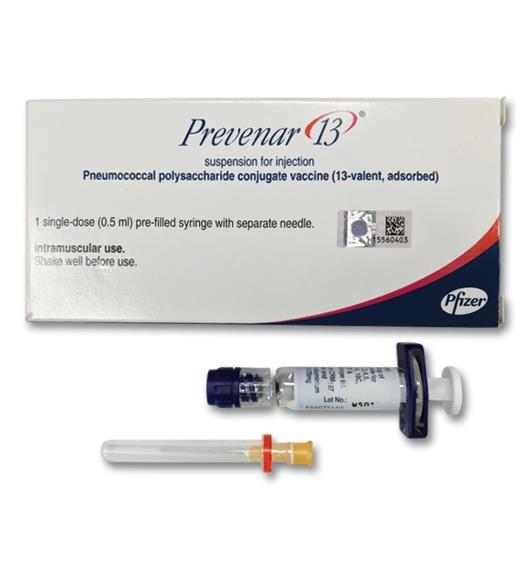 Prevenar 13 Full Prescribing Information Dosage Side Effects Mims Malaysia
About 1 of every 100 children will develop a high fever.

Prevnar vaccine for babies. PCV13 protects against 13 types of pneumococcal bacteria which cause the most common pneumococcal new-muh-KOK-uhl infections in kids. A type of pneumococcal vaccine called the pneumococcal conjugate vaccine brand name Prevenar 13 is offered to children as part of the uk childhood immunisation schedule. Prevnar 13 works by exposing you to a small amount of the bacteria or a protein from the bacteria which causes the body to develop immunity to the disease.
Prevnar 13 will not treat an active infection that has already developed in the body. Intramuscular vaccine including Prevnar 13 to infants born prematurely should be based on consideration of the individual infants medical status and the potential benefits and possible risks. Children are especially susceptible to such infections.
The fourth dose at 12 to 15 months. The first dose at 2 months. The second dose at 4 months.
PPSV23 protects against 23 types. Aboriginal and Torres Strait Islander children who missed out can still get their meningococcal B vaccines for free under the NIP up until they turn 2 years of age. Meningococcal B vaccine is recommended and free under the NIP for Aboriginal and Torres Strait Islander children as part of their routine vaccinations at 2 4 and 12 months of age.
Prevnar was approved for use in the United States in February 2000 and vaccination with Prevnar was recommended for all children younger than two years and for unvaccinated children between 24 and 59 months old who were at high risk for pneumococcal infections. If your child needs 2 doses of the vaccine the second dose is given 8 weeks after the first dose. Pneumococcal conjugate vaccine PCV is used to vaccinate children under 2 years old as part of the NHS vaccination schedule.
In the United States a heptavalent pneumococcal conjugate vaccine PCV 7 eg. The brand name of the vaccine usually used for childhood immunisation is Prevenar 13. An alternative brand Synflorix may be used instead.
Children at high risk for pneumococcal disease may need 1 or 2 doses of PPSV. The first dose is given at 2 months of age. Side effects from the polysaccharide version used in adults include tenderness and redness at the injection site and about 1 of every 100.
Give PCV13 to infants as a series of 4 doses one dose at each of these ages. All infants younger than 24 months should receive four doses of the vaccine the first one at 2 months. It is called pneumococcal conjugate vaccine PCV.
This is given in several doses. The pneumococcal conjugate vaccine PCV PCV13 or Prevnar 13 has been used since 2010 to protect against more strains of pneumococcal bacteria than the previous vaccine. But research shows that the number of babies and young children with ear infections has fallen significantly since the pneumococcal conjugate vaccine was introduced.
The third dose at 6 months. When Are PCV and PPSV Immunizations Given. These vaccines prevent infections in children who get them and help stop the infections from spreading to others.
CDC recommends routine administration of pneumococcal conjugate vaccine PCV13 for all children younger than 2 years of age. Prevnar 13 is for use in children from 6 weeks to 5 years old and in adults who are 50 and older. The normal four-dose series is given at 2 4 6 and 1214 months of age.
After receiving the pneumococcal vaccine children commonly will have pain or swelling where the shot is given and occasionally low-grade fever. Medically at-risk babies receive a dose of vaccine at two months from six weeks four months and six months a fourth dose at 12 months and a booster vaccine at four years then another booster dose a minimum of five years later. This will depend on which strains are contained in the vaccine.
Its known by the brand name Prevenar 13. As the only vaccine routinely recommended for use in infants in the US Japan and five major European markets France Germany Italy Spain and the UK Prevnar 13 generates blockbuster. Read the patient information leaflet for Prevenar 13.
Doctors give this vaccine to children at 2 4 6 and 12 through 15 months old. Prevnar called Prevenar in some countries was recommended for all children aged 223 months and for at-risk children aged 2459 months in 2000. Children who miss their shots or start the series later should still get the vaccine.
The pneumococcal vaccine will help stimulate our body to make antibodies against Streptococcus pneumoniae which causes the disease. The second type of vaccine is called pneumococcal polysaccharide vaccine PPV and is used for adults and for children over 2 years of age. 2 months 4 months 6 months and 12 through 15 months.
A dose is usually given. Adults who need this vaccine only get 1 shot. The vaccine helps protect against the 13 types of pneumococcal bacteria that most commonly cause serious infections in children and adults.
The PCV vaccine is recommended for the following children. Recommends that babies receive the PCV13 pneumococcal vaccine. The subsequent doses are given at 4 months 6 months and.

